07968 107902 / 07595 120212
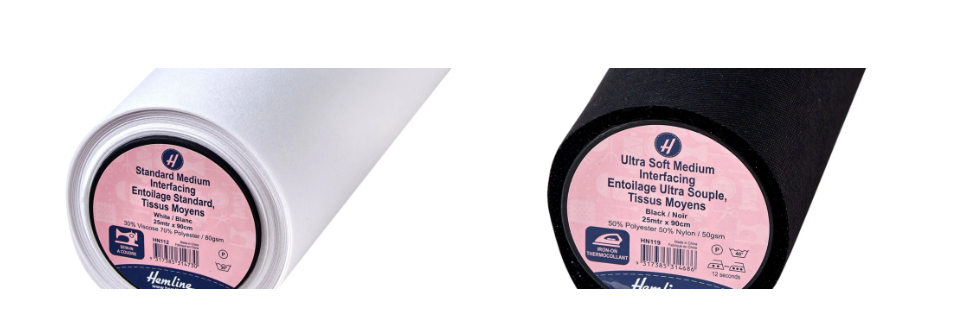
Interfacing is one of the most overlooked materials in sewing, yet it can make the difference between a homemade project that looks unfinished and one that has the structure, durability and professional finish of a ready-made garment. Whether you're making clothing, bags, quilts or home furnishings, selecting the correct interfacing helps fabrics perform exactly as intended while improving the appearance and lifespan of your finished project.
Many beginners are unfamiliar with interfacing because it is usually hidden inside a garment or accessory once construction is complete. However, experienced dressmakers know that it provides essential support in areas such as collars, cuffs, waistbands, button plackets and bag handles. Choosing the correct type ensures these sections hold their shape without becoming overly stiff or uncomfortable.
With so many options available, including woven, non-woven, knit, fusible and sew-in interfacing, it's easy to become overwhelmed when shopping. Different fabrics, sewing techniques and finished applications all require different types of support, making it important to understand what each interfacing is designed to do before starting your project.
In this blog, Ajanta Studios explains everything you need to know about sewing interfacing, including the different types available, where they should be used, how to apply them correctly and the mistakes to avoid. By understanding the role interfacing plays in dressmaking and sewing, you'll be able to choose the most suitable product for every project and achieve stronger, smarter and longer-lasting results.
Interfacing is an additional layer of fabric that is attached to the reverse side of another fabric to provide support, stability and structure. Unlike lining, which is often visible inside a finished item, interfacing is usually concealed between layers of fabric where it quietly reinforces key areas. It helps prevent stretching, sagging and distortion while allowing garments and accessories to maintain their intended shape during everyday use. From crisp shirt collars to structured handbags, interfacing is responsible for many of the professional details that make finished sewing projects look polished.
Without interfacing, fabrics can become limp, lose their shape or wear prematurely, particularly in areas subject to repeated movement and stress. Lightweight materials may wrinkle excessively, buttonholes can become distorted and waistbands may fail to support the weight of the garment. Using the correct interfacing ensures both decorative and functional elements continue to perform throughout the life of the item.
Key benefits of using interfacing include:
Not all interfacing performs the same function, and choosing the wrong variety can significantly affect the appearance and feel of your project. Interfacing is generally divided into three construction types: woven, non-woven and knit. Each behaves differently and is suited to particular fabrics and applications. Understanding these differences allows you to match the characteristics of the interfacing to the fabric you're using, producing a balanced and natural result.
Woven interfacing has a fabric grain, making it ideal for woven materials where maintaining natural drape is important. Non-woven interfacing has no grain direction, making it versatile and easy to cut in any orientation, while knit interfacing offers flexibility and stretch for jersey and knitted fabrics. Selecting an interfacing that complements the movement of your chosen fabric ensures the finished project remains comfortable while still benefiting from additional support.
The main types of interfacing include:
One of the first decisions many sewists face is whether to use fusible or sew-in interfacing. Fusible interfacing has a heat-activated adhesive coating that bonds to fabric when pressed with an iron, making it the most popular choice for modern sewing projects. Sew-in interfacing contains no adhesive and is stitched into place during construction, making it suitable for delicate fabrics or materials that cannot tolerate heat.
Fusible interfacing offers speed, convenience and excellent stability, making it ideal for beginners and everyday dressmaking. Sew-in interfacing remains popular among experienced dressmakers, particularly when working with luxury fabrics such as silk, velvet or heavily textured materials where adhesive could alter the surface appearance. The right choice ultimately depends on your fabric, sewing technique and the finish you're hoping to achieve.
When each type works best:
Successful sewing depends on balancing the weight and behaviour of your interfacing with the characteristics of your chosen fabric. A lightweight cotton blouse requires very different support to a structured tote bag or tailored jacket. Using interfacing that is too heavy can make fabrics feel stiff and unnatural, while choosing one that is too light may fail to provide sufficient reinforcement.
As a general rule, your interfacing should be similar in weight or slightly lighter than the main fabric. Considering stretch, drape, intended use and laundering requirements before purchasing will help you select the most appropriate product. Investing a little time in this decision often leads to significantly better sewing results and a much longer-lasting finished project.
Things to consider before buying:
Even experienced sewists occasionally encounter problems with interfacing, but many of these issues can be avoided through careful preparation and correct application. Bubbling, wrinkling, poor adhesion and distorted fabric are often the result of incorrect ironing temperatures, insufficient pressing time or choosing the wrong product for the fabric. Taking a methodical approach produces cleaner, more professional results.
Testing your interfacing before beginning the project is one of the simplest ways to avoid disappointment. Small sample pieces allow you to assess how the fabric responds to heat, whether the adhesive bonds properly and whether the finished combination achieves the desired balance of structure and flexibility. These few extra minutes can save hours of rework later.
Avoid these common mistakes:
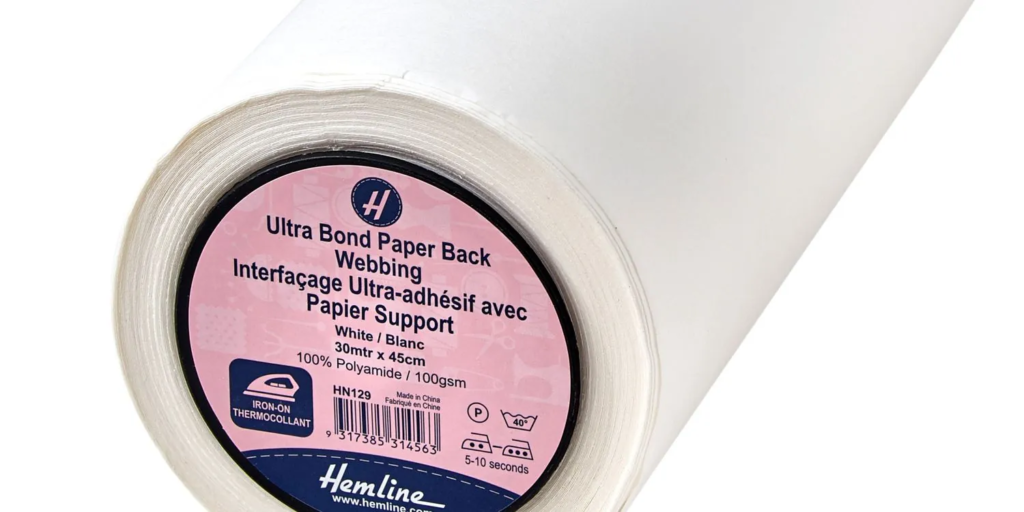
Interfacing may be hidden inside your sewing projects, but its contribution is impossible to overlook once you understand its purpose. Selecting the correct type provides structure where it's needed, improves durability and helps garments, bags and home furnishings maintain their shape for years to come.
At Ajanta Studios, we offer a selection of interfacing fabrics in a wide range of different weights to quickly and easily meet your clothes strengthening or general fabric crafting needs. Many of our interfacing fabrics can be ironed-on by simply pressing firmly for 5-10 seconds and are machine washable at 40°C.