07968 107902 / 07595 120212
Choosing the right quilt wadding is an important part of any quilting project. While selecting your patchwork fabrics, colours and patterns is often where the creative process begins, the wadding you use can have just as much influence on the finished quilt. Sitting between the quilt top and backing fabric, this essential layer provides warmth, softness and structure, helping to determine how your quilt looks, feels and drapes. Whether you're making a traditional patchwork quilt, a cosy bed quilt or a lightweight decorative throw, understanding the different types of quilting wadding will help you achieve the finish you're looking for.
With so many types of quilt wadding available, knowing which one to choose can sometimes feel confusing, particularly if you're new to quilting. Cotton, polyester, wool, bamboo and blended waddings all offer different characteristics, from breathability and warmth to thickness and flexibility. Some are particularly suitable for traditional patchwork quilting, while others work well for projects that need extra loft or a softer, more flowing finish. The best wadding for your quilt will depend on the materials you're working with, how you intend to use the finished piece and whether you prefer hand quilting or machine quilting.
Another important consideration when choosing wadding for quilting is how it will affect the sewing process itself. The thickness of the wadding, often referred to as its loft, can influence how easily your quilt layers pass through a sewing machine and how clearly your quilting stitches stand out. Different waddings also have different requirements when it comes to stitching distances, washing and shrinkage. Taking these practical details into account before you start can help you avoid unnecessary difficulties and ensure your finished quilt remains comfortable, durable and attractive with regular use.
At Ajanta Studios, we know that finding the right materials makes a real difference to any sewing or quilting project. Whether you're looking for cotton quilt wadding for a traditional patchwork design, polyester wadding for a fuller quilted finish or a natural-fibre alternative for a lightweight throw, it helps to understand what each option offers. In this guide, we'll explore the main types of quilting wadding, explain the differences between materials and thicknesses, and share practical advice on how to choose the best wadding for your quilt, so you can select your supplies with confidence and enjoy the process of bringing your project together.
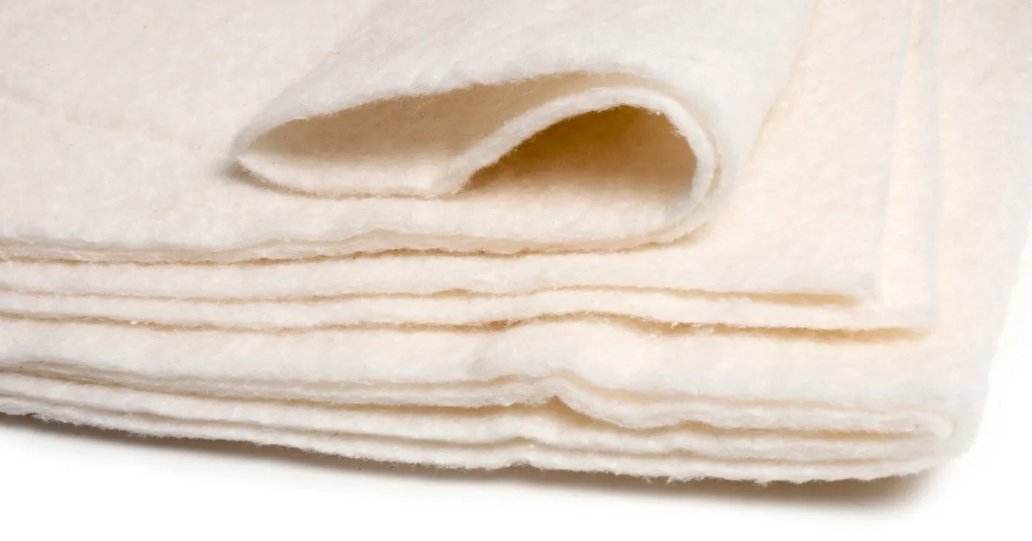
Quilt wadding is the soft layer of material placed between the quilt top and backing fabric. It provides warmth, thickness and structure, helping to give a quilt its finished appearance.
You may also see it referred to as quilt batting, particularly in American quilting patterns and tutorials. Both terms describe the same basic material.
Wadding is used in a wide range of sewing and quilting projects, including:
Different projects benefit from different types of wadding. A lightweight wall hanging, for example, may need a flatter finish than a cosy bed quilt.
Understanding the available materials is a useful starting point.
Quilting wadding is available in several fibres, each with its own characteristics. Some provide extra warmth and loft, while others create a flatter, more flexible finish.
Here are the main types to consider.
Cotton wadding is a popular choice for traditional patchwork and quilting projects.
Made from natural cotton fibres, it generally provides a soft feel and a relatively flat finish. It is particularly suitable for quilts where you want the patchwork design and quilting stitches to remain the main focus.
Benefits of cotton wadding:
Cotton wadding can shrink when washed, which may create the slightly crinkled appearance associated with traditional quilts.
Some quilters particularly like this finish, while others prefer a smoother result.
Best suited to: Patchwork quilts, bed quilts, throws and traditional quilting projects.
Things to consider: Check the manufacturer's washing and shrinkage instructions, especially if you want to maintain a smooth finish.
Polyester wadding is a versatile synthetic option available in a range of thicknesses.
It is often chosen for projects where extra loft, softness or easy care is important.
Unlike cotton, polyester generally absorbs less moisture and tends to retain its loft well.
Benefits of polyester wadding:
Polyester wadding can be particularly useful when you want a fuller quilted appearance.
However, thicker polyester wadding may be more difficult to handle when quilting closely spaced designs, especially on a domestic sewing machine.
Best suited to: Quilted throws, decorative quilts, cushions and projects requiring additional loft.
Things to consider: Polyester is generally less breathable than cotton or wool, so consider how the finished quilt will be used.
Wool wadding is a natural option known for its warmth, resilience and ability to provide loft without excessive weight.
It can create attractive stitch definition, making it a useful choice when you want quilting patterns to stand out.
Benefits of wool wadding:
Wool wadding is particularly appealing for bed quilts and larger projects where warmth and comfort are priorities.
Best suited to: Bed quilts, winter quilts and projects where warmth and stitch definition are important.
Things to consider: Wool wadding may need more careful laundering. Always follow the manufacturer's care instructions, as some products are washable while others require specialist care.
Bamboo wadding is another option for quilters who prefer a soft, flexible finish.
It is commonly made from bamboo-derived fibres, sometimes blended with cotton or other materials.
Bamboo wadding is often relatively lightweight and drapes well, making it suitable for quilts that need to feel comfortable without excessive bulk.
Benefits of bamboo wadding:
Bamboo-based wadding can be a useful option for lighter quilts and throws.
Best suited to: Lightweight quilts, throws and projects where softness and drape are important.
Things to consider: Check the fibre composition. Not all bamboo waddings are made from 100% bamboo-derived fibre, and different blends can behave differently.
Blended wadding combines the characteristics of two or more fibres.
One common option is an 80/20 cotton and polyester blend, although other ratios are available.
These blends are popular because they offer a balance between the natural feel of cotton and the resilience of polyester.
Benefits of blended wadding:
Best suited to: Everyday bed quilts, patchwork quilts and projects that will be handled and washed regularly.
Things to consider: Different blends have different shrinkage rates, lofts and quilting-distance requirements, so always check the product information.
When choosing quilting wadding, you'll often come across the term loft.
Loft simply refers to the thickness or puffiness of the wadding.
It affects both the appearance of your quilt and how easy it is to quilt.
Low-loft wadding creates a flatter, less bulky finish.
It is often a good choice for traditional patchwork quilts, table runners, wall hangings and projects where you want a neat appearance.
Low-loft wadding is also generally easier to handle on a domestic sewing machine.
High-loft wadding creates a thicker, more padded appearance.
It can help quilting stitches stand out, particularly when there is space between the stitched lines.
However, high-loft wadding can be more challenging to manage when working on larger quilts or intricate quilting designs.
Our advice: If you're making your first quilt, a low-loft cotton or cotton-blend wadding is often a practical starting point. It is generally easier to manage and produces a traditional quilted finish.
There isn't one type of wadding that is suitable for every quilting project.
The right choice depends on how the finished quilt will be used, the appearance you want and the quilting method you plan to use.
Here are five things worth considering before buying.
A quilt intended for a bed will have different requirements from a decorative wall hanging.
For example:
For placemats, oven gloves and other items exposed to heat, check whether a specialist heat-resistant product is required. Ordinary quilt wadding should not be assumed to provide heat protection.
The type of fibre and the construction of the wadding can influence how warm a quilt feels.
Wool is often chosen for its insulating properties, while cotton and bamboo-based options are popular for breathable, comfortable quilts.
Polyester can also provide warmth, particularly in higher-loft constructions.
Remember that thicker wadding isn't automatically the warmest option. Fibre type, density and construction all play a part.
Drape describes how a quilt hangs and moves.
A quilt with good drape feels flexible and falls naturally over a bed or around the person using it.
Cotton, bamboo and some wool waddings can provide a soft, flexible finish.
Thicker polyester wadding may create a fuller, more structured quilt.
If you're making a quilt that will be used regularly on a sofa or bed, drape is worth considering alongside warmth.
This is one of the most important details to check when buying quilt wadding.
Quilting distance refers to the maximum recommended space between lines of stitching that secure the quilt layers together.
Some waddings need relatively close quilting, while others can support wider spacing.
If the quilting stitches are too far apart, the wadding may shift, bunch or lose its shape during use and washing.
Always check the manufacturer's recommended maximum quilting distance before starting.
This is particularly important if you plan to use a simple quilting pattern with widely spaced lines.
If your quilt will be used regularly, think about how easy it will be to wash and maintain.
Cotton and cotton-blend waddings are commonly used in everyday quilts, but washing requirements vary between products.
Polyester wadding is often easy to care for, while wool may require a more careful approach.
Before choosing, check:
Following the care instructions will help maintain the appearance and structure of your finished quilt.
If you're new to quilting, choosing a manageable wadding can make your first project much easier.
A low-loft cotton or cotton-polyester blend is often a good option for beginners.
These waddings generally provide a relatively flat finish and are easier to handle when sewing through several layers.
They are also versatile enough for many patchwork projects.
For a first quilt, it can help to:
If you're using a domestic sewing machine, a walking foot can also help feed the layers evenly and reduce shifting as you sew.
Not all quilt wadding needs to be washed before use.
Some waddings are designed to be used straight from the packaging, while others may benefit from preparation.
Pre-washing can affect the final appearance of the quilt, particularly with natural fibres that may shrink.
However, washing some types of wadding before quilting can cause stretching or distortion.
The best approach is to follow the manufacturer's instructions rather than assuming all wadding should be treated in the same way.
If you want the finished quilt to have a traditional crinkled appearance, you may prefer to use a suitable cotton wadding without pre-shrinking it.
Before buying, measure your completed quilt top.
Your wadding should be larger than the quilt top on every side to allow for movement and adjustments during quilting.
For many domestic machine-quilting projects, allowing approximately 10–15 cm extra on each side is a useful starting point, although the amount required depends on the quilting method and equipment.
For example, if your quilt top measures 150 cm × 200 cm, allowing 10 cm on each side means you would need a piece of wadding measuring at least 170 cm × 220 cm.
Longarm quilting services may require a different allowance, so check their requirements before cutting your wadding.
Always consider the usable width of the wadding when ordering, especially for larger bed quilts.
Choosing the right quilt wadding doesn't need to be complicated.
Start by thinking about how your quilt will be used, how warm you want it to be and whether you prefer a flat, traditional finish or something with more loft.
Cotton, polyester, wool, bamboo-based and blended waddings all have their place in quilting. Understanding their differences will help you choose a material that works well with your fabrics, quilting technique and finished design.
At Ajanta Studios, we understand how important it is to choose suitable materials for your sewing and quilting projects.
Whether you're making your first patchwork quilt or planning a larger project, we're always happy to help you understand the different materials and find the supplies you need.
Explore our sewing and quilting supplies and get your next project started with confidence.